History of Money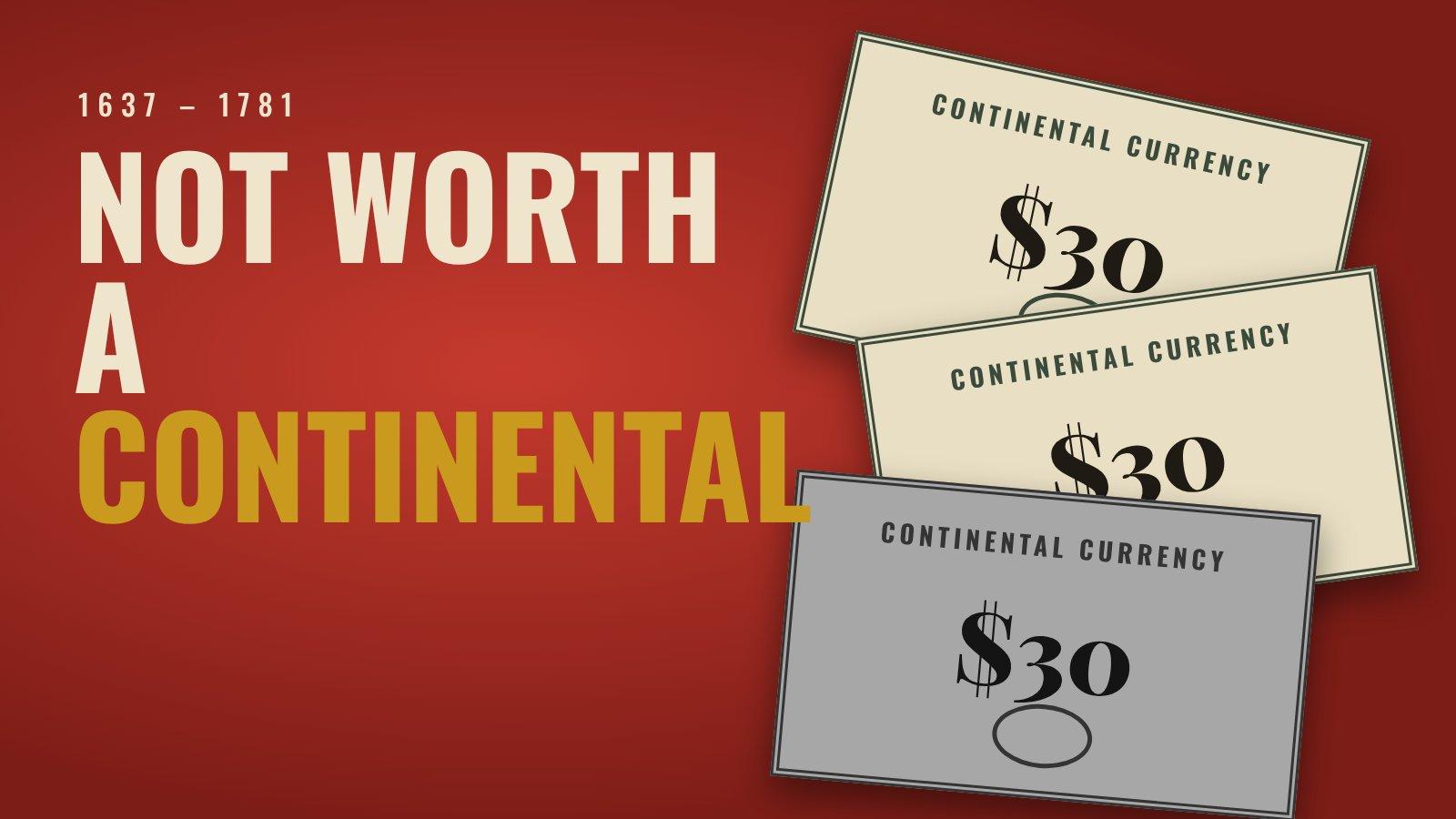
Massachusetts made shell beads legal money in 1637 and printed paper to pay soldiers in 1690. During the Revolution, Congress printed more than $200 million in Continental dollars, Britain counterfeited them on purpose, and by 1781 they had stopped working as money.
History of Money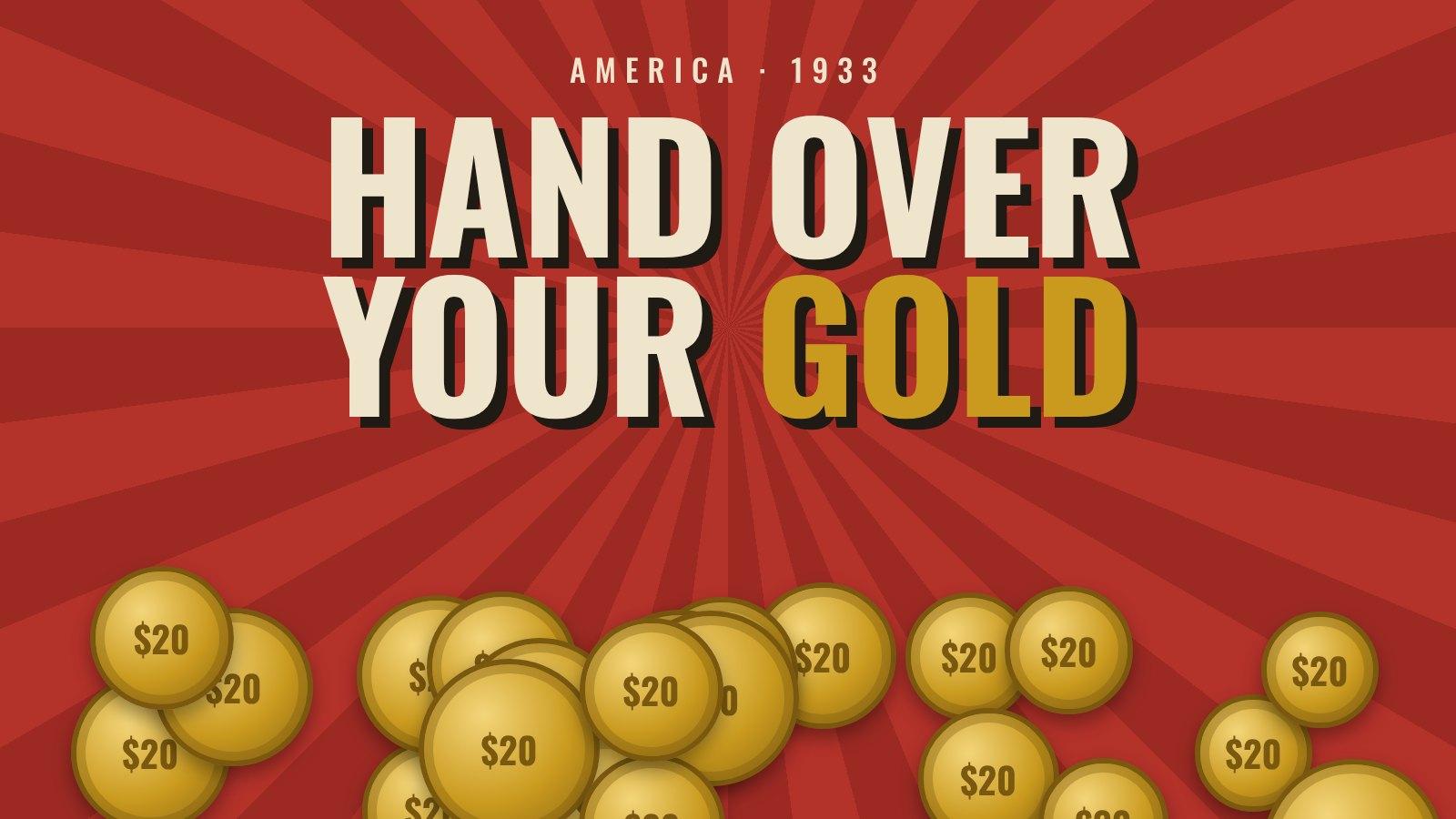
On April 5, 1933, Franklin Roosevelt ordered Americans to hand in their gold coins, bars and gold certificates. They got $20.67 an ounce. In 1934 the official price became $35, and owning gold bars stayed illegal for most people until the last day of 1974.
History of Money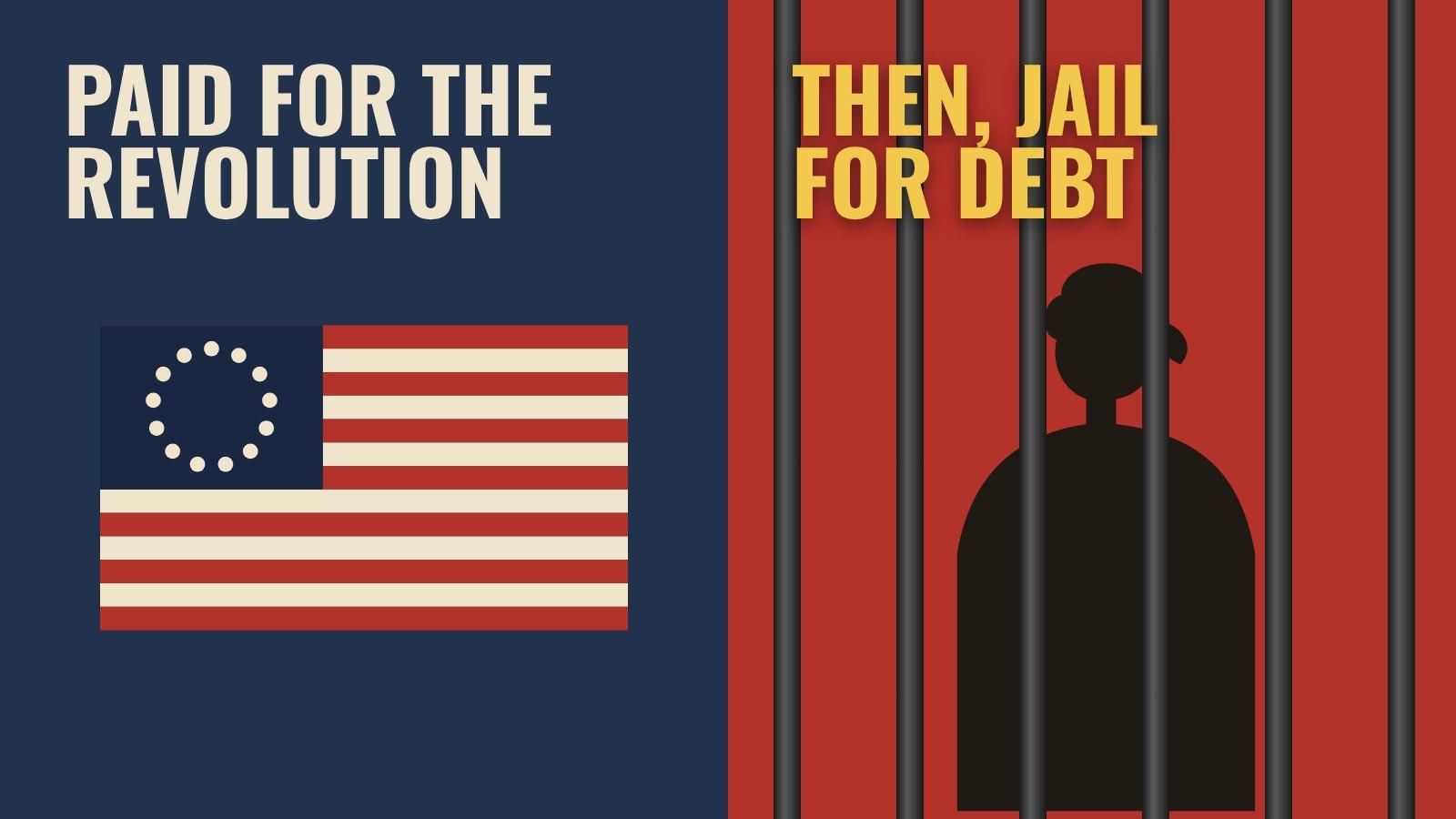
Robert Morris was the Revolution's money man. When Continental paper was close to worthless, he backed notes with his own fortune and helped pay for the march to Yorktown. Then he bet on six million acres of land, owed about $3 million, and spent 1798 to 1801 in debtors' prison.